Silviculture Atlantic Canada I Scott and Stewart Forestry
Art and science unite in our approach to modern Silviculture, delivering sustainable long-term results
Cultivating your forest is our passion. We’re proud to harness natures wild instincts through subtle yet impactful tactics that balance modern science with natural wisdom
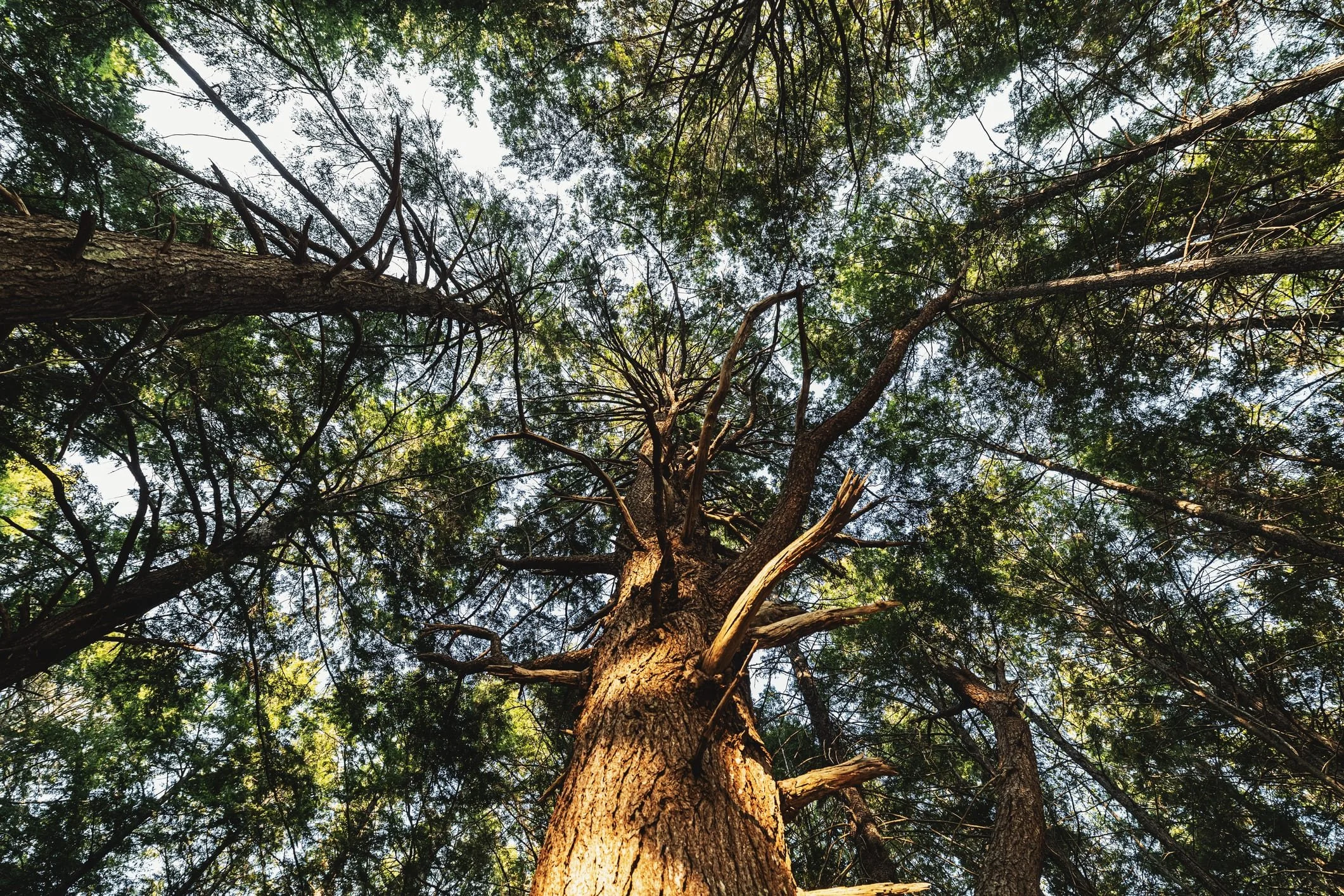
Over 4+ decades we’ve grown long and deep silviculture roots across Atlantic Canada. We’re proud to responsibly manage forests and the greater environment for future generations to thrive.
Between working with Municipalities and family woodlots or our utility partners there isn’t a silviculture service or program we haven’t delivered in Atlantic Canada. Be it selective harvesting, tree planting, pruning, vegetation management, regeneration assessments or a hundred silviculture services our 60+ person year-round team is happily in the woods making it happen day in and day out!
Pre-Commercial thinning (hardwood and softwood)
Selection management
Harvest Planning
Growth and Yield Analysis
Shelterwood harvest
Overstory removal
Brushing and Weeding
Project Management
Silviculture surveying
Forest Health Monitoring & Pest Management
Cone Picking & Seed Collection
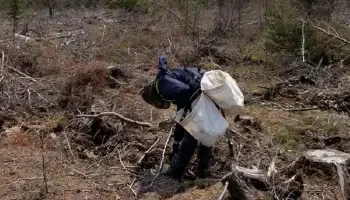
Tree Planting
Seeding
Wildfire Management/Suppression
Urban Forestry
“I have been associated with this company ever since they formed over thirty years ago.
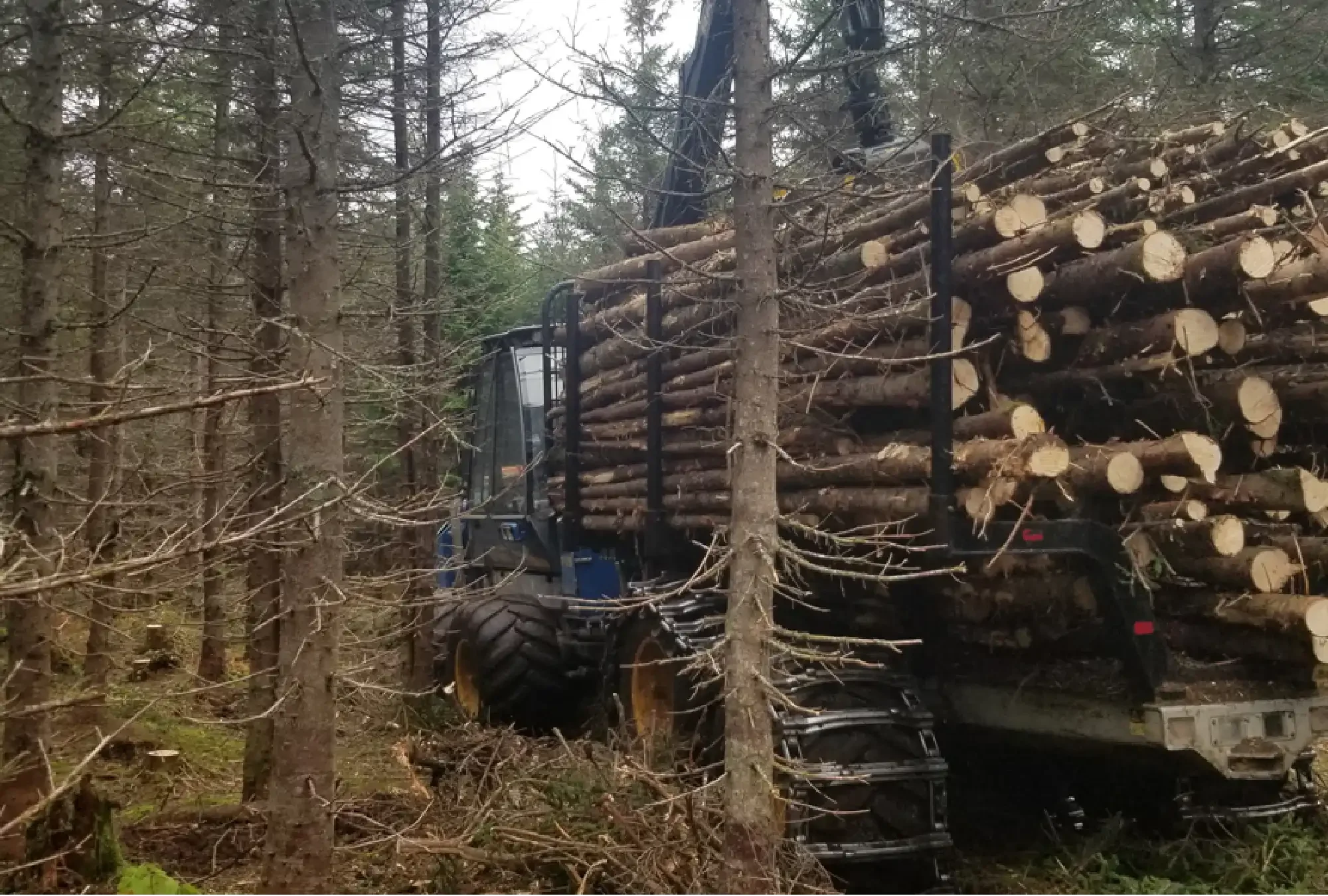
The owners and employees were and are a pleasure to do business with. In my case they have done all the silviculture on my woodlots including harvesting, site prep, planting and thinning.
A severe snow/ice event over a year ago caused a lot of tree breakage on a 150 acre, thirty year old plantation. During the summer Scott and Stewart sent their harvesters in and cleaned up the site, including many broken trees on the ground, which I’m sure slowed production but I still received fair stumpage.”
Silviculture is simply defined as the growing and cultivation of trees
Although the actual process is anything but simple when you consider growing and cultivating species that lifespan can be far greater than that of a person. It requires commitment, planning and contribution from multiple generations to succeed.
Scott and Stewart Forestry has been a leader in Atlantic Canada in silviculture for the past 35 years promoting environmentally sensitive, productive forest practices. We hope our expertise and commitment to always improve makes us your choice for forest management today and for tomorrow.
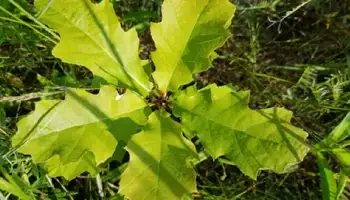
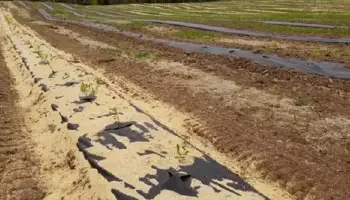
Site Preparation
Site preparation is typically used to prepare sites for reforestation following harvest. Site preparation is a crucial step in intensive forest management where replanting has been advised.
Site preparation can reduce the risk of insect damage (Seedling Debarking Weevil) to young seedlings and regeneration by creating safe locations for the tree to be planted.
Site preparation also reduces competition from unwanted vegetation, mixes mineral and organic soil layers, rearranges slash to increase the number of plantable locations and reduces hazards to tree planters.
In shade tolerant hardwood stands another use is to establish microsites for seed tree harvests to regenerate.
One common species that responds well to this treatment is Yellow birch. A canopy of mature healthy trees are left on site creating shade, a site preparation machine then travels underneath the trees dragging chains that over turn small sections of soil creating spots for the seeds to fall and regenerate.
The result is a well stocked site of shade tolerant hardwood regeneration.
Depending on conditions found on the site and the application Scott and Stewart will utilize various pieces of site preparation equipment.
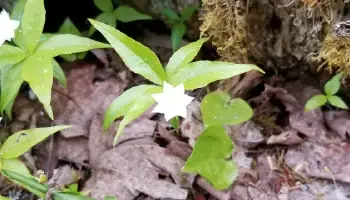
Specialized Tree and Shrub Installation
We also install trees and shrubs for erosion control, artifact protection, and privacy. Working with farmers and researchers we have installed a number of Haskap plantations can offer expertise for your project.
Tree Planting
We carry out various planting operations in Nova Scotia and New Brunswick. For landowners, farmers, government organizations, and industry.
Scott and Stewart had planted over 150 million seedlings since 1985 when our company first began planting trees in Nova Scotia and later in New Brunswick. Reforesting about 90,000 ha or 168,000 football fields!
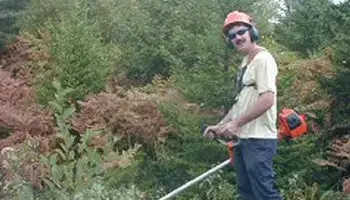
Manual Weeding
Early Competition Control used to release young crop trees from competing woody vegetation. The crop trees must be no more than 2 meters tall.
This treatment is done by an individual using a brush clearing saw.
It can be done in plantations or in natural stands depending on the aggressiveness of the competition. Most commonly it is done to release targeted softwood species.
Manual weeding may have to be carried out more than once if vigorous re-sprouting occurs, the timing of this treatment is important to have it completed before the leaves fall from the trees.
Manual weeding may have to be carried out more than once if vigorous re-sprouting occurs, the timing of this treatment is important to have it completed before the leaves fall from the trees.
Pre Commercial Thinning (PCT)
Softwoods
Pre commercial thinning is carried out in young softwood plantations or natural stands that average two to seven meters in height. Allows the selection of healthy preferred crop trees; Removes competition giving the crop trees room to grow; Like carrots in a garden thinning greatly increases the diameter growth of the remaining crop trees.
Hardwoods
Pre commercial thinning in hardwoods is carried out when the desired trees have reached six to nine meters and after some self pruning of the lower hardwood limbs has occurred. High value species are selected to be left according to landowners requests.
PCT allows the selection of healthy preferred trees as crop trees; removes competition giving the crop trees room to grow; like carrots in a garden thinning greatly increases the diameter growth of the remaining crop trees.
Carried out by workers with saws all material that is cut is left on the ground to supplement the soils and support wildlife.
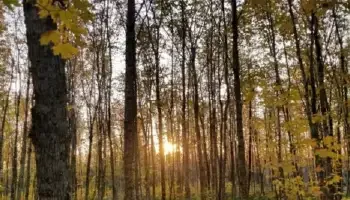
Commercial Thinning Softwood and Hardwood
Commercial thinning is an important step in intensive forest management. Commercial Thinning is a silviculture treatment that is done using harvesting machines.
This treatment is performed in even aged stands where the trees are all very close in age and size. Poorer quality trees or short-lived species such as balsam fir are removed leaving trees with better quality stems to grow and produce saw logs or veneer logs. Commercial Thinning mimics the natural disturbance regime where single trees would die off due to disease or age. The remaining trees have more access to resources and will grow at an increased rate.
Commercial thinning removes some merchantable volume from a stand and the landowner will be compensated for their products that are removed.
We offer ghost trailing services for commercial thinning using smaller machines and harvesting heads to maneuver between the remaining trees resulting in fewer extraction trails for wood products and more wind firm stands.
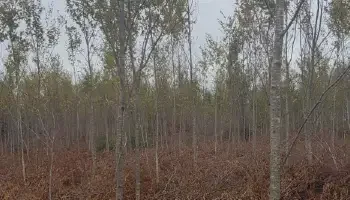
Selection Management
This is a wood harvesting treatment is designed to support or create different age classes in a forest stand increasing biodiversity and promoting ecological forestry. This treatment can be carried out in a variety of stand types and requires knowledgeable operators and staff to complete.
Here is an example of this treatment in a stand of sugar maple and yellow birch.
In this picture you can see targeted trees for harvest are marked, in some stand types marking is not required. They are typically the lower quality in the stand in terms of straightness, rot, or they are the oldest and over mature trees. Special trees such as cavity trees and unique trees are left untouched as to promote biodiversity in the stand.
In the second picture a specialized machine TC822 with a fixed processing head is used to only harvest the selected trees and create narrow trails for the removal of the forest products. This machine can safely bring the largest hardwood to the ground with minimal damage to the surrounding regeneration or younger trees, something not traditionally possible. Once the tree is safely down this machine is also capable of processing wood products meaning fewer machines required to move across the ground reducing soil compaction. Finally with its small overall profile and zero tail swing this machine reduces the footprint needed to operate in.
In the third picture you can see the final product many straight large mature healthy trees remain creating shade and producing seeds, encouraging young saplings to continue to grow and sprout as offspring of the healthy trees creating an over all improvement in quality of the forest. Intermediate sized trees are left undamaged by felling to grow and continue the cycle for future generations their growth rate will be increased with the access to new available resources.
Finally the wood products are removed creating revenue for the woodlot owner and leaving harvest options in future. This treatment can be repeated as needed once the stand has had time to respond and the stand has regrown the volume removed. Making this a perpetual sustainable treatment for Nova Scotia’s Forests.
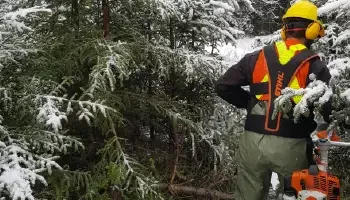
Shelterwood Harvest
Shelterwood harvesting is an even-aged system used to establish and develop desirable natural regeneration. By removing a mature stand in two to three cuts over a period up to 20 years. This allows increased sunlight reaches the forest floor to stimulate seedling development. At the same time the overstory provides seed and shelter for seedlings that can grow under partial shade (red spruce is a common target species).
Increased sunlight and the protective overstory give existing or new regeneration a better chance to grow and develop. The shelter encourages water to remain in the organic layer, reducing the risk of drying for the young seedlings.
The stand is thinned using equipment, targeting poor quality species and trees for removal eliminating them as a seed source. This provides space for the remaining better-quality trees to increase crown and seed production and their growth rate.
This harvest produces wood products that the woodlot owner will be compensated for.
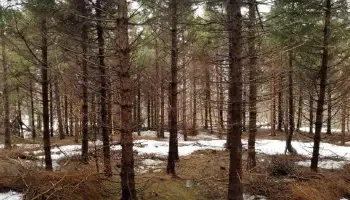
Overstory Removal
Overstory removal is an important treatment in regions of Nova Scotia. It is carried out in even aged mature or over mature softwood stands. Particularly in the eastern part of nova scotia we have many old farmers fields that have grown up in white spruce and balsam fir (Short lived species).
These trees are all similar age and size, once they reach maturity and over maturity they will begin to die and blow down. Fires and insects can then become a problem in some cases and woodlots become difficult to navigate. Selection management at this point is not an option as the trees remaining would not have the vigour required and would blow down.
Not all stands need to be harvested but If you are considering your woodlot as an economic resource, then the timely removal of these trees is key to ensure they remain sawable timber and have the greatest return as if they show rot at the base they will become pulp wood, or a bio product resulting in reduced returns for the landowner.
For over story removal the marketable trees are removed and sold the woodlot owner is compensated for their products. Regeneration is left undamaged with proper harvesting techniques. After a year we assess the treatment area for appropriate and adequate regeneration. If it is not found, we restock through planting the appropriate species for the ecosite.